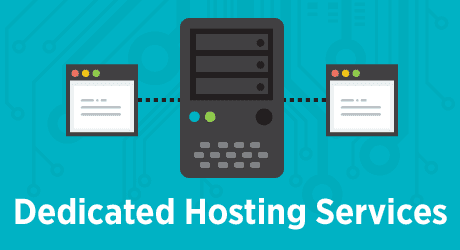
VPS means the virtual private hosting that is superior to standard or shared hosting. It provides more resources and a more secure environment that individual bloggers or companies use in case the average number of visitors increases.
Let’s dig more about VPS and why it is important to have-
Why Is Having VPS Hosting Beneficial?
· Today, internet speed matters more than ever that allows users to browse the content faster.
· When a site loads quickly, the first impression gets much better. The page views increase, and the overall statistics improve.
· Most of the users do not wait more than 2-3 seconds for a website to load. Opting for the VPS hosting ensures that there would be less chance of the site going down.
· Almost half of the customers recommend their friends to the shopping site they use. When the customers face trouble with a loading site, they tell their friends about the poor experience, and this hurts a site.
· Every second counts, and it helps to increase the page views to a great extent. By switching from standard hosting to VPS, a website can decrease loading time from seven seconds to three seconds.
· When a website’s speed is fair, it also contributes to the SEO ranking and increases your reputation in the search engine. A site’s speed helps to bring the website to the first page in the SERP.
How Does Hosting Determine the Page’s Speed?
There are a few important factors that come along with hostings, such as memory and bandwidth. In a shared hosting plan that is the cheapest one and the most common, these resources are divided.
Different websites that are on the shared host use these resources. If at a time, one particular website receives a boost in traffic, all other sites respond slowly because of the lack of resources.
This is not the case with VPS since here, each site gets specific resources, and no site can use resources of another one. This way, VPS acts as a small dedicated server that is budget-friendly. So, as long as you are not concerned about getting more traffic and serve the customers on time, shared hosting is okay; otherwise, you should switch to VPS.

Today, many hosting providers serve the customers with spoofed VPS hosting too. It lets a user gain access to IP spoofing to enter the network.
If a user wants to have VPS that comes with DDOS protection so no spoofing can take place on the site, there are hosting websites that avail the ultra-secure hosting plans. By opting for DDOS, you eliminate the chance of being spoofed, and all your resources remain dedicated to genuine traffic.
Conclusion
There are many types of hosting plans, from general, to managed dedicated hosting. The one you opt for should depend on the amount of traffic you gain each month and the security features you want to experience.

Google the hosting providers and get the perfect hosting plan as spoofed VPS
today! Be sure about it being budget-friendly and assistance-friendly whenever you need it.
today! Be sure about it being budget-friendly and assistance-friendly whenever you need it.